
Artist Statement
I am a storyteller first.
My practice is rooted in concept, documentation, process and exchange. I am interested in how autobiography can function as a mechanism of self-possession rather than confession and how the self, when positioned deliberately, becomes material. This informs my willingness to use my own history when it serves the work. Self-exposure is not spectacle for its own sake but a device through which complex subjects can be examined, destabilized, and reconfigured.
I am less concerned with whether the work is “good” or “bad” than with what it produces in relation. The object is secondary to the exchange it activates and the subtle shift in perception that occurs between viewer, artist, and work.
Each project begins with an inquiry that unfolds through process rather than answer. It is in the sustained working through of the question that something beyond intention begins to assume authorship. My work invites the viewer into a conversation in which they are altered, even if only to a minuscule degree.
Trained in fashion, I understand presentation as both strategy and shield. Dressing, for me, is a way of disappearing, allowing the ideas to remain central while the body recedes into construction. This experience taught me to think critically about surface, silhouette, and control, a tension between visibility and erasure that continues to inform my installations, performances, and encounters.
Ultimately, I am interested in work that shifts the viewer slightly off center, work that resists easy resolution and instead creates a space for sustained thought.
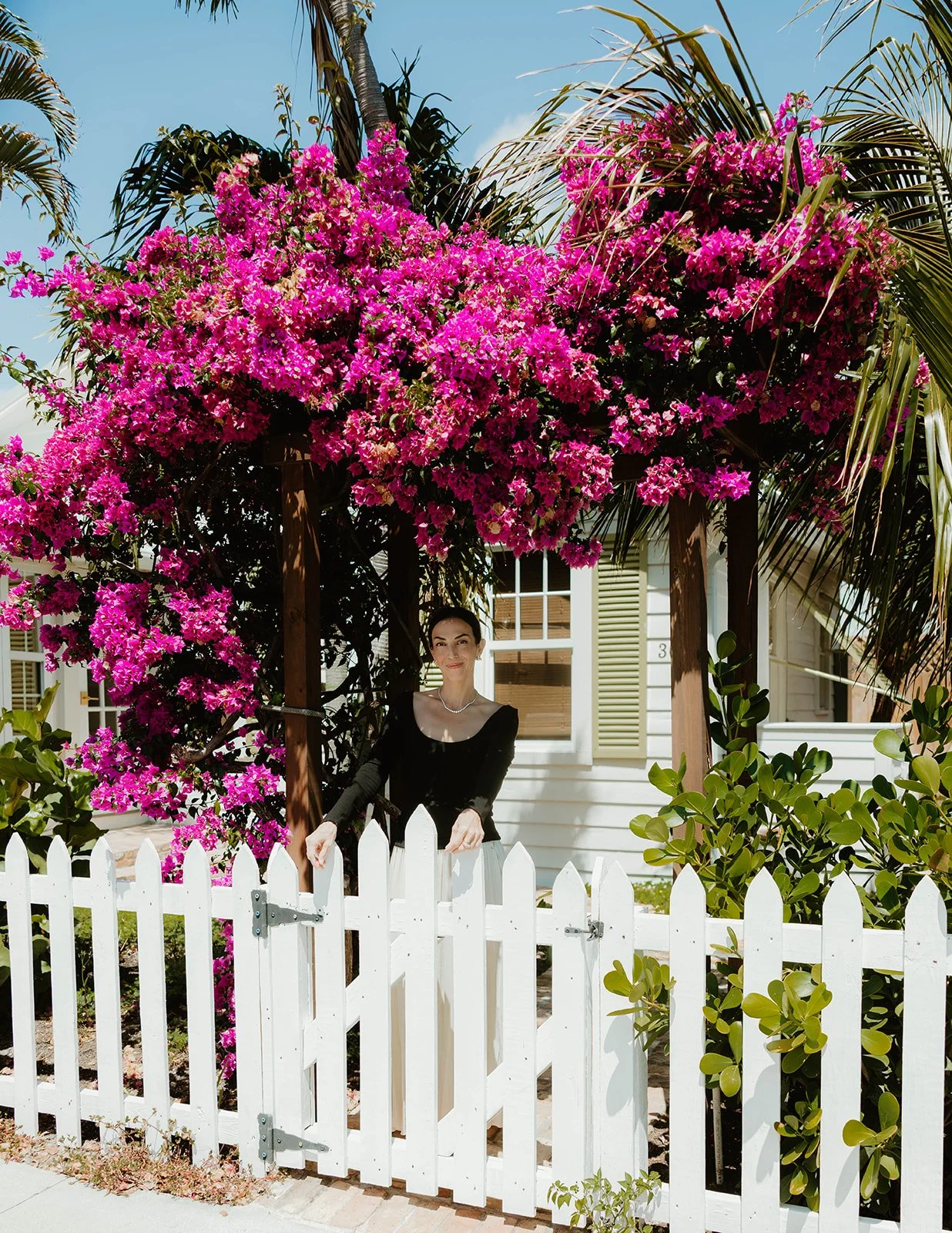
Bio
Gaby Viteri is a multidisciplinary artist, curator, and placemaker whose practice spans ceramics, installation, writing, participatory performance, and exhibition-making.
Rooted in personal narrative, documentation, and relational aesthetics, her studio practice uses autobiography as a framework for investigating memory, grief, home, belonging, and collective encounter. Across material and participatory forms, Viteri considers how lived experience can be documented, transformed, and returned to the public as a site of exchange.
Humor and irreverence operate as structural elements within the work, coexisting with its most difficult subjects while interrupting sentimentality and sharpening truth. Central to her practice is the transformation of pain into beauty—not as resolution or erasure, but as evidence of endurance, agency, and becoming.
Her 2020 installation Smoking Kills established a material and autobiographical lexicon that subsequent projects continue to extend and complicate. Her first solo exhibition, Speed Kills (2025), emerged as a durational somatic practice and participatory community experience. Comprising 47 hand-built ceramic plates created over a single summer of profound personal rupture, the exhibition transformed domestic objects into vessels for memory, loss, humor, and redemption. Viteri continues this inquiry through ongoing bodies of work including Choice Words, All My Friends Are Birds, and Oh, The Places I’ve Been!
Alongside her studio work, Viteri has developed an independent curatorial practice centered on cultural visibility, documentation, inquiry, community, and place. Her exhibitions consider curation as an active form of authorship, using site, material, participation, and programming to construct relationships between artists, audiences, and the environments they inhabit.
Rigor and irreverence are not opposing forces within this practice; the friction between them is part of the methodology.
Viteri is the founder of First Female and Women’s Art Week Palm Beach, initiatives that have created platforms for women and underrepresented artists while activating galleries, museums, churches, studios, public spaces, and cultural organizations throughout Palm Beach County.
Her curatorial projects include FIRST FEMALE, VISUAL & NATURAL, PINK WAVES, VOICES: The Florida Show, MUD, DIVINE RIGHT, and the three-year Women’s Art Week curatorial arc PARALLELS, RECLAMATION, and INTEGRATION.
Viteri is interested in who is given the authority to make, interpret, and document culture, and in art’s capacity to interrupt numbness, create connection, and participate in shaping the cultural record.
Her practice insists on intimacy as rigor. She lives and works in South Florida.