Curator’s Statement
As both curator and artist, I approach exhibition-making with an understanding of the vulnerability and responsibility inherent in bringing an idea into public view. I consider curation an active form of authorship: a practice of constructing conditions through which artists, artworks, audiences, and place enter into meaningful exchange.
My curatorial practice is grounded in the belief that art is one of our most consequential vehicles for social change. As a Latina artist, I am particularly interested in who is given the authority to make, interpret, and document culture. I foreground underrepresented voices and perspectives not as an act of tokenization or inclusion, but as a means of expanding and challenging who participates in the cultural record.
I am drawn to exhibitions that function simultaneously as inquiry and archive, documenting a cultural moment while questioning the structures, histories, and assumptions that shape it. Three canons guide this practice: documentation, creativity, and inquiry. Documentation preserves; creativity reveals; inquiry engages.
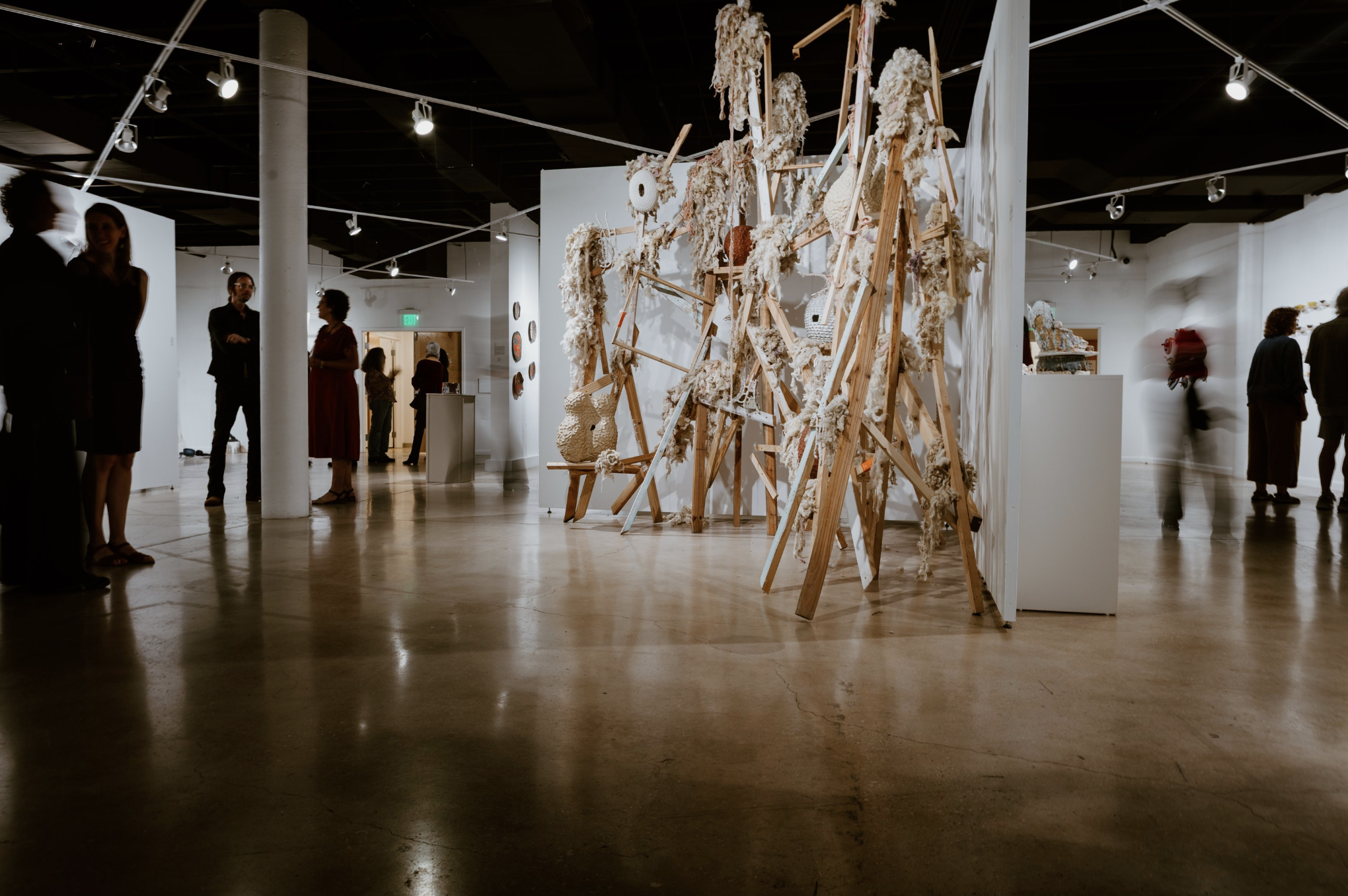
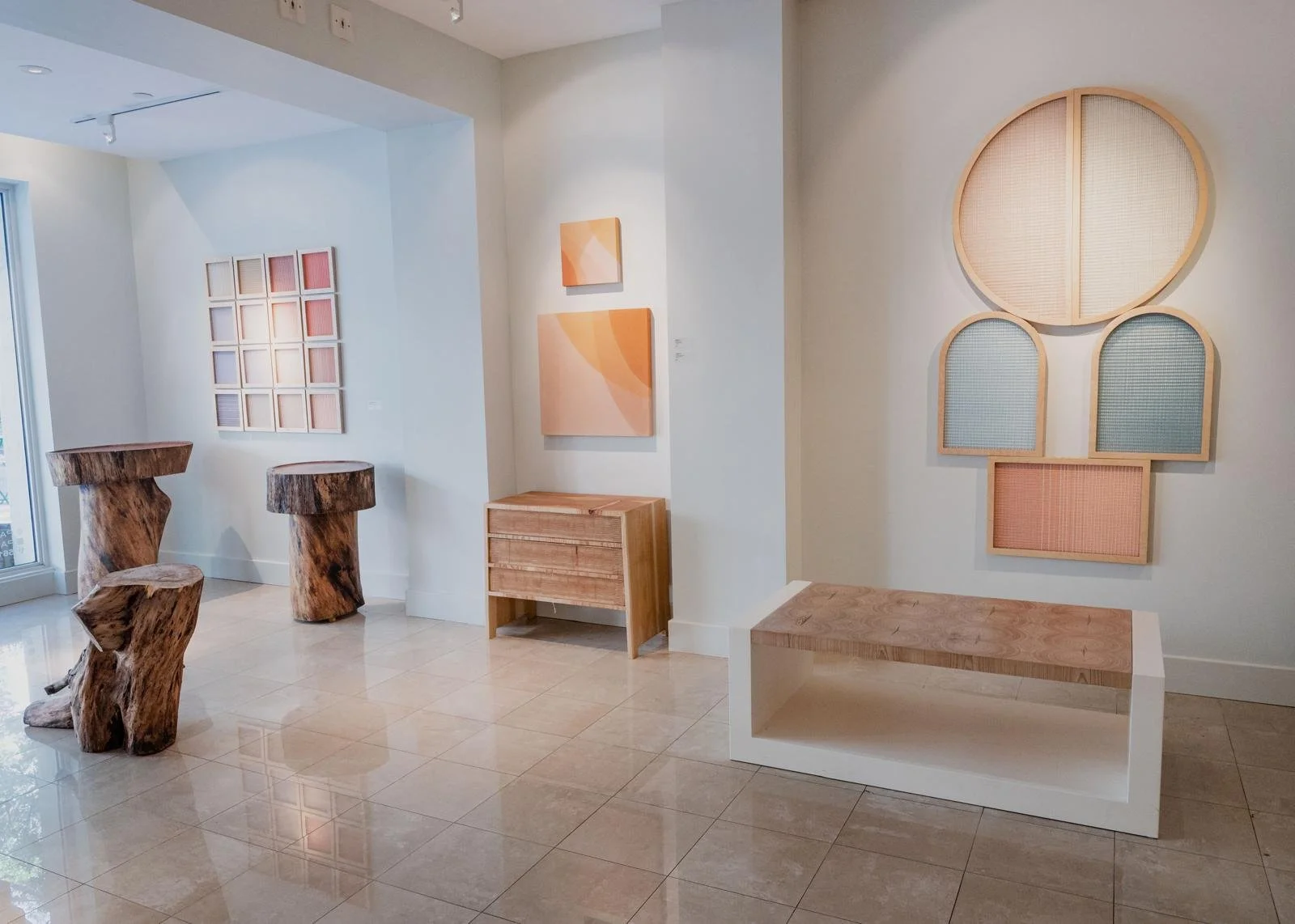
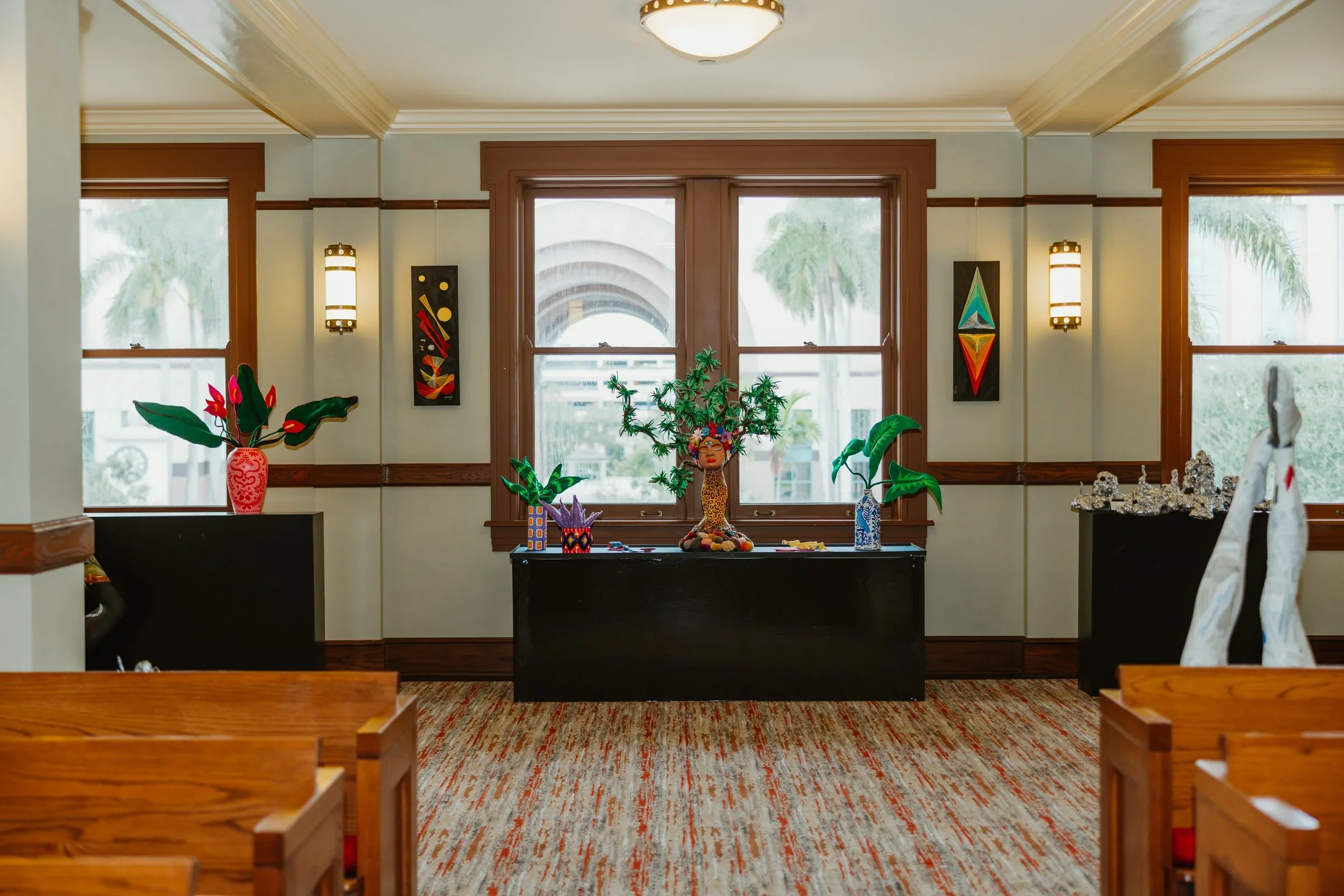
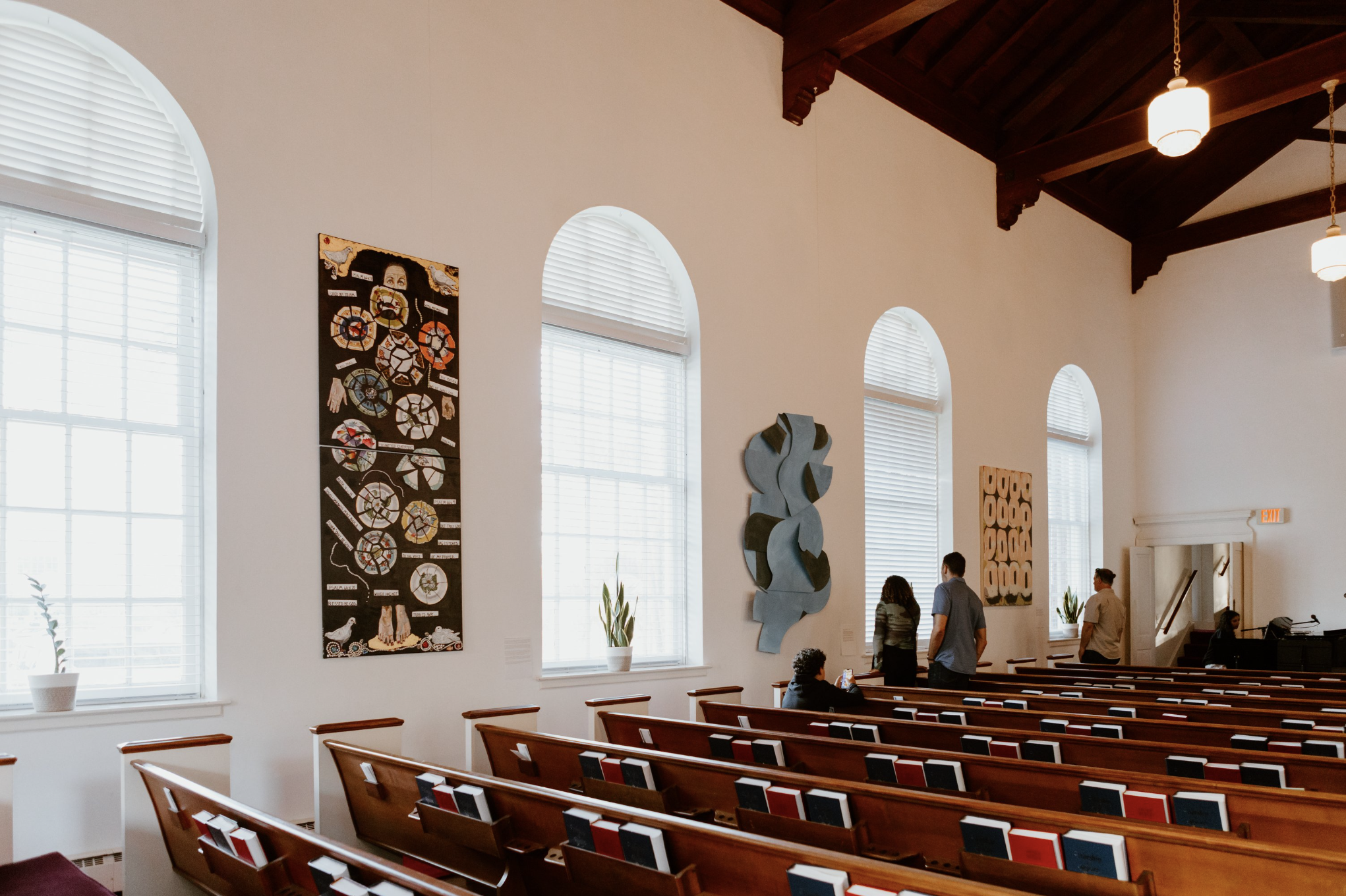
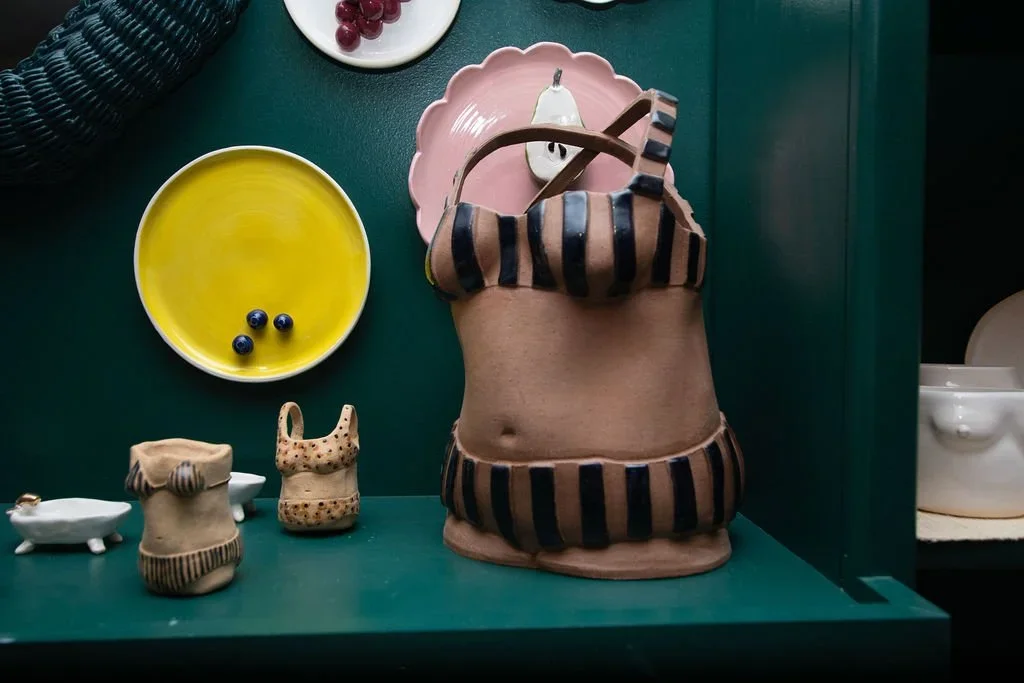
Across my curatorial work, site, material, and participation operate as active components of exhibition-making. A church, a domestic space, a cultural institution, or an unexpected gathering place is never simply a container for art; context produces meaning. Material and process carry their own forms of knowledge, while programming, performance, and participation extend the exhibition beyond the object and into collective experience.
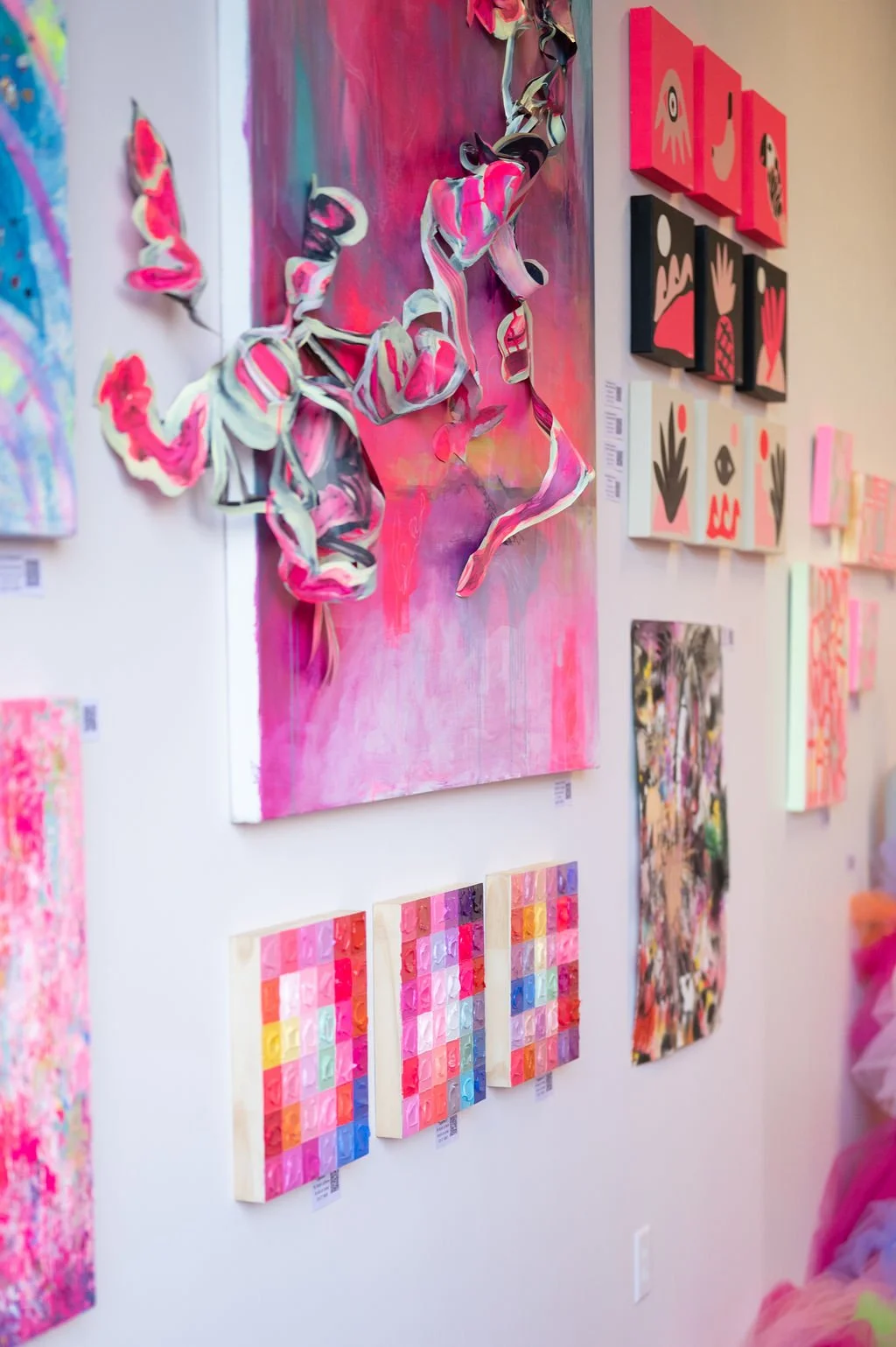
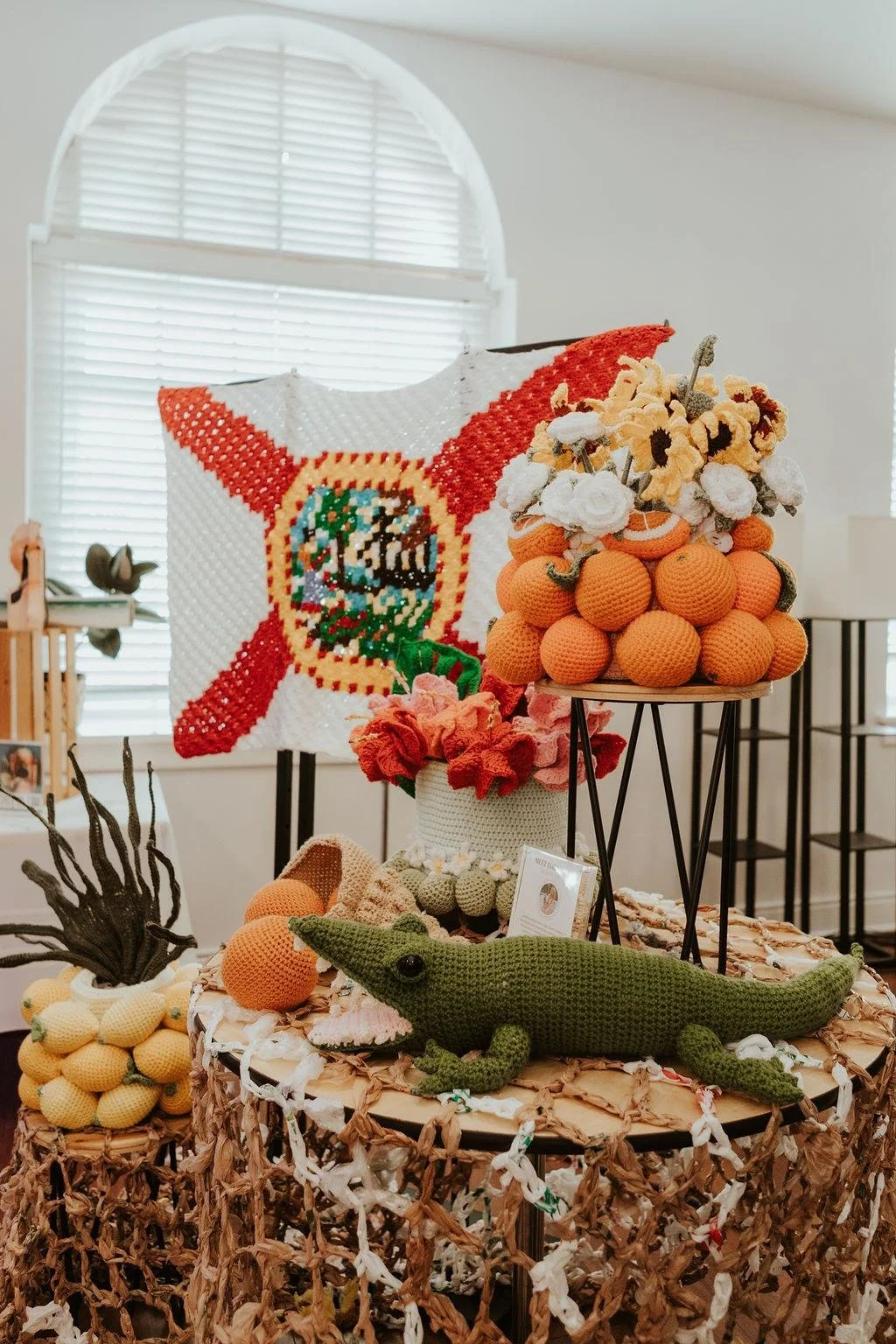
I am interested in the tension between intellectual rigor and accessibility, and in exhibitions capable of holding both without diminishing either. Intellectual seriousness and irreverence aren't competing qualities, and the friction between them is part of my methodology. The questions may be weighty; the mechanisms do not have to be. Wit, irreverence and contradiction decentralize subjects that might otherwise resist engagement.
As contemporary life becomes increasingly saturated and desensitized by information, art retains the capacity to interrupt numbness. I want audiences to think, but equally, to feel. These encounters resist passivity while creating room for discomfort, joy, recognition, curiosity, empathy, and exchange.
Curation, community, and placemaking are inseparable within my practice. I understand the exhibition as a site of sacred exchange: a place where artist, artwork, audience, and environment converge. Thoughtful placemaking extends the life of the work beyond the exhibition, creating opportunities for gathering, belonging, dialogue, and cultural participation.
My role is not to dictate meaning, but to construct the framework through which meaning can emerge. By stewarding the integrity of the artist’s voice while remaining an active participant rather than a neutral intermediary, I seek to deepen the questions raised by the work and create conditions for meaningful connection.
Ultimately, I curate with the conviction that art does not merely reflect culture; it participates in shaping it.